


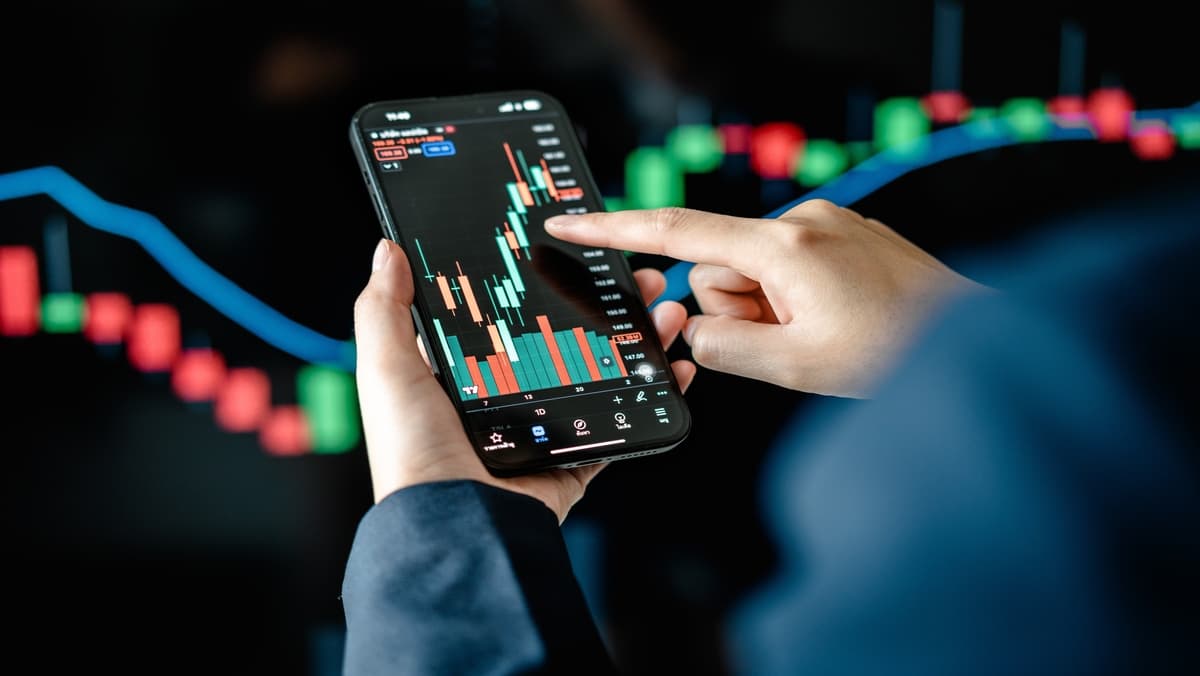
In an unpredictable market environment, where volatility can erode even the most carefully constructed portfolios, investors often turn to innovative tools to protect their wealth. One such tool is the Contract for Difference (CFD). While commonly associated with speculative trading, CFDs also offer a practical means of hedging — allowing investors to offset potential losses and maintain portfolio stability.
Understanding how to effectively use CFDs for hedging requires a balanced grasp of strategy, timing, and risk management.
Table of Contents
Understanding the Role of CFDs in Hedging
Before diving into strategies, it’s essential to understand what CFDs are and how they function. A Contract for Difference is a financial derivative that enables traders to speculate on price movements of an underlying asset — such as stocks, commodities, indices, or currencies — without owning the asset itself. Essentially, you enter an agreement with a broker to exchange the difference in an asset’s value from the time the contract opens to when it closes.
To better grasp the concept, it’s worth revisiting the basics of CFD meaning. A CFD allows you to take both long and short positions, giving you the flexibility to profit from price movements in either direction. This ability to short an asset is what makes CFDs particularly useful for hedging. If you expect a temporary decline in the value of a stock or index you own, you can open a short CFD position to offset potential losses in your portfolio.
Unlike traditional short selling, CFDs do not require ownership of the underlying asset, making them a more accessible and efficient hedging tool. Additionally, since CFDs are leveraged instruments, they enable investors to gain greater exposure with less capital — though this leverage also magnifies potential losses if not managed carefully.
Why Hedging Matters in Portfolio Management
Hedging is a critical aspect of risk management. Even a well-diversified portfolio is not immune to broad market corrections or sector-specific downturns. The purpose of hedging is not to generate profit but to reduce risk exposure and protect your capital. CFDs provide a flexible and cost-effective way to achieve this, especially for short-term protection during volatile periods.
For instance, consider an investor holding a significant amount of technology stocks. If market indicators suggest an impending correction in the tech sector, the investor can short a CFD on a tech index or a specific stock to balance out potential losses. If the market does drop, the gains from the CFD position can help cushion the impact on the overall portfolio. Once the market stabilises, the hedge can be closed, allowing the investor to retain their long-term investments.
Best Practices for Using CFDs as a Hedge
Using CFDs for hedging requires a disciplined and thoughtful approach. The first step is to define clear objectives. Before entering a CFD trade, determine the specific risk you are trying to mitigate. Are you protecting against a short-term market dip, currency fluctuation, or commodity price movement? Having clarity in purpose helps you select the right instruments and position size. Without defined objectives, you risk turning a hedge into a speculative trade rather than a protective measure.
Selecting the right CFD instruments is equally important. CFDs are available on a wide range of assets, from equity indices and shares to forex and commodities. Choosing the right instrument is crucial for achieving effective hedging. For instance, if your portfolio is heavily weighted in U.S. equities, hedging with an S&P 500 index CFD makes more sense than using an unrelated asset like gold or crude oil. The closer the correlation between the CFD instrument and your underlying holdings, the more effective your hedge will be.
It’s also wise to implement stop-loss and take-profit orders. Even though the purpose of a hedge is protection, it’s still a live position that can incur losses. Automated risk management tools like stop-loss and take-profit levels prevent emotional decision-making and help maintain discipline, particularly during periods of heightened volatility.
Balancing Hedging Costs and Benefits
Every hedge comes with associated costs. CFDs typically involve spreads, overnight financing charges, and potential opportunity losses if the market moves in your favour. The key is to weigh these costs against the benefits of protection. For short-term hedging, the advantages of reducing downside risk often outweigh the costs, particularly during uncertain or volatile periods.
Timing also plays a vital role in effective hedging. Entering a CFD hedge too early can lead to unnecessary expenses, while acting too late could result in significant drawdowns. The most successful hedgers rely on a combination of technical analysis, economic indicators, and market sentiment to determine the optimal time to open or close their hedge. Strategic timing ensures that your hedge remains efficient without draining returns.
The Bottom Line: Hedging as a Tool for Confidence
Using CFDs to hedge your portfolio is about more than just safeguarding against potential losses — it’s about maintaining control, stability, and confidence in your investment approach. By understanding how CFDs work, setting clear objectives, and managing your trades with discipline, you can navigate market volatility with resilience and composure.
When used wisely, CFDs act as a bridge between protection and opportunity, allowing investors to stay invested while shielding themselves from short-term uncertainty. The key lies in education, strategy, and consistent monitoring. With these principles in place, CFDs can serve as a powerful addition to your financial toolkit, helping you preserve your capital and stay focused on long-term growth.