


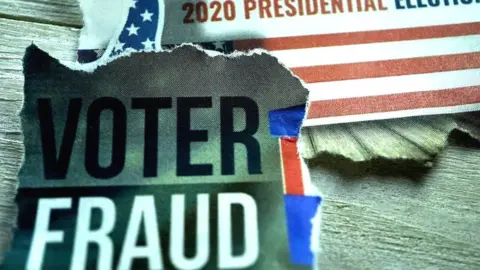
| Introduction | In the past few years, election fraud allegations have stirred major political debates around the world. The 2020 U.S. presidential election, in particular, became a hotspot for these claims. As accusations of rigging surfaced from multiple quarters, the BBC, a globally respected media organization, found itself deeply involved in covering these events. But how did the BBC report on the so-called “rigged” elections in the USA, and what were the implications of these claims on both American politics and the wider global community? This article will explore the BBC’s coverage, examine the concept of election rigging, and delve into the broader media narrative that shaped public opinion on this issue. |
| What Is “Rigging” an Election? | To begin, let’s define what we mean by “rigging” an election. Election rigging refers to any form of manipulation intended to alter the outcome of an election. This could involve tampering with voting machines, voter suppression, illegal ballot collection, or even false reporting of results. Essentially, any activity that compromises the integrity of the electoral process falls under this umbrella. Rigging is often discussed in the context of authoritarian regimes, but in democracies, such as the U.S., claims of rigging are much more contentious and complicated. |
| How Rigging Claims Arise | Election fraud accusations tend to emerge for several reasons, often fueled by partisan politics. When election results are close, or one side feels it has been wronged, they may jump to conclusions about fraud. Some candidates and their supporters have claimed rigging when they lose an oregonnewsalert.com, seeing it as an unjust outcome rather than a legitimate result. In the case of the 2020 U.S. election, such accusations came from former President Donald Trump and many of his supporters. The narrative of a “stolen” election was widely circulated in the media, spurring many to believe that the democratic process was compromised. |
| BBC’s Coverage on the USA Rigged Election Claims | The BBC’s coverage of the rigged election claims reflected its usual journalistic approach: balanced, fact-based, and thorough. The British news outlet provided in-depth analysis and detailed investigations into the various claims of fraud. Their reporting included fact-checking, expert commentary, and interviews with key figures from both sides of the debate. In many cases, BBC journalists debunked the myths surrounding the election, offering a clear-eyed view of the facts. They also explored the legal battles that ensued, including the numerous lawsuits filed in contested states. |
| The Role of Media in Shaping Public Opinion | Media outlets like the BBC play a crucial role in shaping how the public views significant events, including elections. The way news is presented can influence public perceptions, either reinforcing or challenging claims. In the case of the 2020 election, the media’s coverage of the alleged rigging narrative had a significant impact. Some news outlets amplified the fraud claims, while others, including the BBC, focused on presenting the verified facts. The BBC, being a trusted global broadcaster, helped many international viewers get an accurate understanding of the situation, countering the disinformation that spread across social media. |
| Key Events in the 2020 U.S. Election Controversy | A timeline of events is crucial in understanding the rigging claims that arose after the 2020 election. From election night, when counting was still ongoing, to weeks later when Trump and his allies began contesting the results, the controversy gained momentum. Several battleground states, including Georgia, Pennsylvania, and Arizona, became focal points of the rigging claims. Trump’s legal team filed numerous lawsuits, though most were dismissed due to lack of evidence. The BBC closely followed these developments and reported on the failure of these legal challenges to prove widespread fraud. |
| Notable Figures and Their Claims | Several key political figures fueled the narrative of a rigged election. Most notably, Donald Trump continuously claimed that the election had been “stolen” from him, despite a lack of concrete evidence. He pushed these claims through public speeches, social media, and legal battles. Other Republican figures, such as Senators Josh Hawley and Ted Cruz, also raised doubts about the legitimacy of the election results. These high-profile personalities were instrumental in keeping the allegations alive in public discourse. |
| Fact-Checking and Investigation Process | To assess the validity of rigging claims, fact-checking becomes vital. The BBC’s investigation process included collaborating with independent fact-checking organizations, experts, and legal sources. They reviewed allegations, such as dead people voting, ballot tampering, and foreign interference, and found no substantial evidence to back these claims. BBC journalists were particularly focused on providing clarity amidst confusion, aiming to help viewers distinguish between legitimate concerns and baseless conspiracy theories. |
| BBC’s Take on Conspiracy Theories | The BBC took a cautious stance on the conspiracy theories surrounding the election. They carefully examined the evidence behind the claims, giving attention to the legal and expert analyses that consistently debunked most fraud accusations. The BBC’s reporting stood in stark contrast to some outlets that broadcasted unverified claims, instead prioritizing the truth above sensationalism. Their refusal to fuel conspiracy theories gave viewers a more rational perspective on the election results. |
| What Is Voter Fraud, and Is It Common? | Voter fraud refers to illegal actions aimed at influencing the outcome of an election, such as voting multiple times or impersonating a voter. Though it’s often cited in election fraud claims, voter fraud is statistically rare. According to research, instances of voter fraud in U.S. elections have been found to be exceedingly low, especially in the 2020 election. In fact, over 60 court cases dismissed allegations of widespread voter fraud. The BBC highlighted these facts in their coverage, helping to quell the fear and confusion spread by false narratives. |
| The Legal Challenges in the 2020 U.S. Election | Legal challenges played a significant role in the election rigging claims, but they were largely unsuccessful. Trump’s legal team filed numerous lawsuits across key states, claiming that the election results were fraudulent. However, most of these lawsuits were quickly dismissed, and no substantial evidence of widespread fraud emerged. The BBC reported extensively on these cases, interviewing legal experts and emphasizing the judicial system’s role in upholding the integrity of the election. |
| The Impact of Social Media on Election Claims | Social media played an enormous role in the spread of election fraud allegations. Platforms like Twitter, Facebook, and YouTube became battlegrounds for misinformation. False claims spread quickly through viral posts, memes, and videos, creating confusion among many voters. The BBC’s reporting often focused on the harmful effects of misinformation, and they worked to highlight verified information to counteract the flood of falsehoods. |
| How BBC Fact-Checked the U.S. Election | The BBC employed a rigorous fact-checking process to verify claims about election fraud. Their team of journalists and experts cross-referenced statements with official sources, including government officials, election experts, and court rulings. They also worked with independent organizations dedicated to exposing misinformation, ensuring that their reports were based on facts, not hearsay. The BBC’s commitment to factual reporting was essential in keeping the public well-informed. |
| Global Reactions to Election Rigging Allegations | The U.S. election rigging allegations had global implications, with leaders and citizens around the world watching closely. Many foreign governments expressed concern about the potential for democracy to be undermined, while others questioned the credibility of the U.S. electoral process. The BBC’s international coverage helped to frame the situation in a broader context, offering global audiences insight into the chaos unfolding in the U.S. |
| The Consequences of False Election Claims | The consequences of spreading false claims about rigged elections can be severe. Misinformation undermines trust in democratic institutions, leading to civil unrest, divisiveness, and even violence. In the aftermath of the 2020 election, the U.S. saw the January 6 Capitol riot, fueled in part by the belief that the election was stolen. The BBC’s coverage highlighted these dangers and served as a reminder of the importance of responsible journalism in times of crisis. |
| Conclusion | In conclusion, the BBC’s coverage of the U.S. election rigging claims has been thorough, fact-based, and responsible. While allegations of election fraud have become a persistent issue in recent years, the BBC’s role in dispelling misinformation has been crucial in maintaining the integrity of public discourse. Despite the uproar and division that such claims create, it’s essential that the media continues to provide objective and verifiable information to help the public navigate these challenges. |